
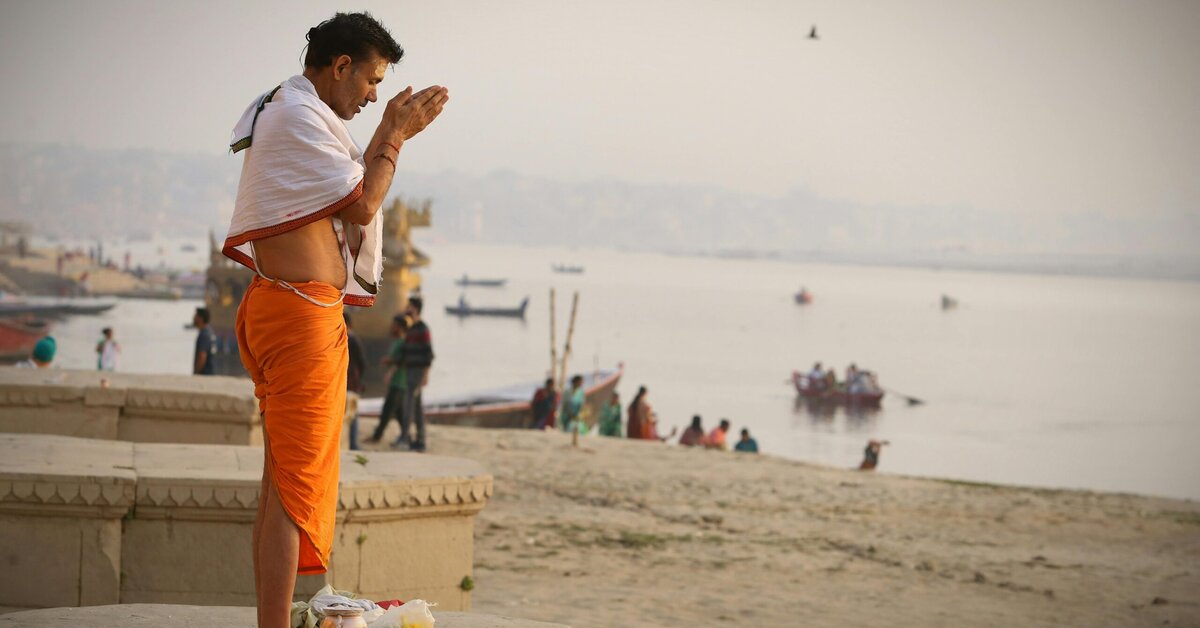
Kashi Tour Package Explore the Spiritual City , Have you ever felt the pull of something ancient, something sacred, something that whispers promises of transformation? That’s the magnetic force of Kashi—also known as Varanasi or Banaras—a city that has been calling seekers, pilgrims, and wanderers for over 5,000 years. This isn’t just another tourist destination; it’s a living, breathing spiritual phenomenon that challenges, inspires, and often changes those who visit.
Kashi means “the luminous one” or “city of light,” and the name couldn’t be more fitting. Here, light takes many forms—the flickering flames of countless oil lamps during Ganga Aarti, the golden spire of Vishwanath Temple catching the sunrise, the enlightenment sought by countless seekers, and the belief that dying here brings moksha, liberation from the cycle of rebirth. A well-designed Kashi tour package doesn’t just show you these sights; it helps you experience the city’s soul.
Why Kashi is Called the Spiritual Capital of India
Ancient Legends and Mythology
According to Hindu mythology, Kashi was founded by Lord Shiva himself, making it older than time. Legend says Shiva and his consort Parvati stood here as the first light emerged from darkness. It’s one of the seven sacred cities (Sapta Puri) that grant moksha, and the only one believed to be outside the cycle of creation and destruction.
The city has been continuously inhabited for millennia, making it one of the world’s oldest living cities. Prophets, saints, and spiritual masters have walked these lanes—Buddha gave his first sermon nearby at Sarnath, Kabir wove cloth and poetry here, Tulsidas wrote the Ramcharitmanas, and countless unknown seekers have found their truth along these sacred ghats.
The City That Never Dies
While empires rose and fell, while civilizations came and went, Kashi remained. It has survived invasions, destructions, and the passage of time itself. This continuity isn’t just historical—it’s spiritual. The daily rituals performed today mirror those from thousands of years ago. The chants are the same, the devotion unchanged, the Ganges still flowing.
This timelessness creates an atmosphere found nowhere else. Past and present collapse into a single, eternal moment. That’s what makes Kashi so powerful—it’s not a museum of spirituality but a living laboratory where ancient practices continue to shape modern lives.
What Makes a Kashi Tour Package Essential
Kashi can overwhelm first-time visitors. The narrow, maze-like lanes confuse even GPS. The sensory overload—sounds of bells and prayers, sights of rituals and cremations, smells of incense and flowers mixed with urban reality—can disorient. Without guidance, you might miss crucial experiences or misunderstand what you’re witnessing.
A good tour package provides structure within chaos. Expert guides navigate physical spaces while explaining spiritual significance. They know optimal timings for temple visits, best viewpoints for Aarti, and how to experience the sacred without disrespecting local customs or getting lost in tourist traps.
Expert Guidance for Deeper Understanding
Seeing Kashi and understanding Kashi are vastly different. Why do cremations happen publicly? What do the Aarti gestures symbolize? Why do sadhus cover themselves in ash? What’s the significance of different ghats? Without context, these remain exotic curiosities rather than meaningful experiences.
Quality tour packages include knowledgeable guides who bridge this gap. They’re often locals with deep spiritual understanding and storytelling abilities. They transform sightseeing into insight-seeing, helping you appreciate not just what you’re seeing but why it matters.
Key Components of a Complete Kashi Tour Package
Spiritual Experiences
At the heart of any Kashi package are spiritual experiences—temple darshans (sacred viewings), participation in Aarti ceremonies, ritual boat rides, and perhaps even facilitated meetings with learned priests or spiritual teachers. These aren’t theatrical performances but genuine expressions of living faith.
The best packages allow both observation and participation according to your comfort level. Whether you’re deeply religious, spiritually curious, or simply respectful of others’ beliefs, there’s space for authentic engagement.
Cultural Immersion
Kashi’s culture extends beyond temples. It’s in the classical music that’s been perfected here over centuries, the intricate silk weaving techniques passed through generations, the philosophical debates that happen in ashrams, and the unique dialect mixing Hindi, Bhojpuri, and Urdu.
Comprehensive packages include cultural elements—attending a classical music performance, visiting weavers’ workshops, exploring the old city’s architecture, or sampling legendary street food. Culture and spirituality interweave inseparably here.
Historical Exploration
Kashi’s history spans millennia. From ancient Buddhist sites at Sarnath to Mughal-era mosques, from British colonial influences to post-independence developments, layers of history are visible everywhere. Ramnagar Fort, Bharat Kala Bhavan museum, and various historical structures add temporal depth to spiritual experiences.
Understanding this history enriches spiritual appreciation. You see not just an ancient city but how it evolved, survived, and adapted while maintaining its essential character.
Culinary Adventures
Kashi’s food deserves its own pilgrimage! The legendary kachori-sabzi breakfast, cooling lassi in clay cups, countless chaat varieties, the famous Banarasi paan, and traditional sweets like jalebi and rabri create unforgettable taste memories.
Many premium packages now include food tours or cooking classes. After all, sharing food is itself a sacred act in Indian culture, and Kashi’s culinary traditions reflect its spiritual essence—simple ingredients transformed into something extraordinary through time, technique, and devotion.
The Sacred Ghats: Heart of Any Kashi Tour
Dashashwamedh Ghat and the Evening Aarti
This is Kashi’s most famous ghat, where the spectacular Ganga Aarti unfolds every evening. Seven priests dressed in traditional attire perform synchronized rituals with massive brass lamps, creating a mesmerizing spectacle of light, sound, and devotion that attracts thousands nightly.
The name means “ghat of ten sacrificed horses,” referring to an ancient ritual. Today, the sacrifice is symbolic—offering light to the river goddess, expressing gratitude for life’s sustaining forces. All tour packages include this experience, though viewing arrangements vary from crowded ghat-side viewing to reserved seating to private boat perspectives.
Manikarnika Ghat: The Liberation Ground
This is Kashi’s main cremation ghat, where funeral pyres burn 24/7, 365 days a year. It’s believed that dying and being cremated here grants moksha—liberation from rebirth. The eternal flame, the Dom community’s hereditary cremation rights, and the ancient rituals create profound, sobering experiences.
Visiting Manikarnika confronts you with mortality, impermanence, and the Hindu perspective on death. Good tour guides handle this sensitively, explaining customs while maintaining appropriate reverence. It’s not entertainment—it’s education about how different cultures approach life’s final transition.
Assi Ghat: Where Tradition Meets Modernity
Located at the confluence of the Assi and Ganges rivers, this southern ghat offers a more relaxed atmosphere. It’s popular with younger travelers and students, hosting morning yoga sessions, evening mini-Aartis, and regular cultural programs.
The surrounding area has evolved into a vibrant neighborhood with cafes, restaurants, bookshops, and guesthouses catering to international visitors. It bridges traditional Kashi with contemporary comfort—perfect for those seeking spiritual experiences without complete immersion in intensity.
Lesser-Known Ghats Worth Visiting
While famous ghats dominate itineraries, Kashi’s lesser-known ghats offer intimate, authentic experiences. Kedar Ghat features a beautiful Shiva temple. Narad Ghat is peaceful and perfect for quiet contemplation. Scindia Ghat’s partially submerged temple creates haunting visuals. Man Mandir Ghat showcases beautiful architecture with an observatory built by Maharaja Jai Singh II.
Extended tour packages include these hidden gems, rewarding curious explorers with experiences untouched by mass tourism while maintaining spiritual authenticity.
Temples That Define Kashi’s Spiritual Landscape
Kashi Vishwanath Temple: The Golden Temple
This is Kashi’s spiritual epicenter—the temple of Lord Vishwanath (Shiva as Lord of the Universe). One of twelve Jyotirlingas, it’s among Hinduism’s most sacred shrines. The current structure dates to 1780, built by Ahilyabai Holkar, with the golden spire and dome donated by Maharaja Ranjit Singh.
Recent massive expansion has created a grand complex with improved facilities and access. Security is strict—electronics, bags, and many items prohibited. All packages include visits, though VIP darshan arrangements vary. The spiritual energy inside is palpable, with thousands of devotees creating waves of devotion.
Sankat Mochan Hanuman Temple
Founded by saint-poet Tulsidas in the 16th century, this temple dedicated to Lord Hanuman is beloved by locals. “Sankat Mochan” means “reliever of troubles,” and devotees flock here seeking Hanuman’s blessings during difficulties.
The temple maintains a peaceful, devotional atmosphere. Tuesday and Saturday (days sacred to Hanuman) see particularly large crowds. The temple also hosts the famous Sankat Mochan Sangit Samaroh, an annual classical music festival attracting legendary musicians.
Durga Temple: The Monkey Temple
Built in the 18th century, this red-ochre temple dedicated to Goddess Durga features North Indian Nagara-style architecture. It’s popularly called the Monkey Temple due to numerous monkeys inhabiting the premises (be cautious—they can be mischievous!).
The temple’s pond (Durga Kund) is considered sacred. The goddess here is believed to be especially powerful, and devotees seeking her blessings maintain continuous flow despite the monkey challenges!
Tulsi Manas Temple
Built in 1964 at the site where Tulsidas composed the Ramcharitmanas, this white marble temple features walls inscribed with verses from this sacred text. It’s architecturally beautiful and spiritually significant, bridging literary devotion with religious worship.
The temple’s serene atmosphere and artistic merit make it popular with culturally inclined visitors. It hosts regular recitations, bhajans, and cultural programs, especially during Ram Navami celebrations.
Kal Bhairav Temple
Dedicated to Kal Bhairav (a fierce manifestation of Shiva), this temple is considered Kashi’s protector. Legend says no one can stay in Kashi without Kal Bhairav’s permission. The deity is offered liquor by devotees—a unique practice reflecting tantra traditions.
The temple’s intense energy differs from others’ peaceful devotion. It represents Hinduism’s acceptance of multiple approaches—from gentle devotion to fierce tantric practices—all paths leading to the same truth.
Sarnath: Buddhism’s Sacred Site
Historical Significance
Just 10 kilometers from Kashi lies Sarnath, where Buddha delivered his first sermon after attaining enlightenment at Bodh Gaya. This marked the beginning of Buddhist teaching, making Sarnath one of Buddhism’s four most sacred sites.
Emperor Ashoka erected numerous monuments here in the 3rd century BCE. Though Sarnath declined after 12th-century Muslim invasions, archaeological excavations have restored its grandeur. Today, it’s a pilgrimage site for Buddhists worldwide and a fascinating historical site for all visitors.
Must-Visit Monuments
The Dhamek Stupa, standing 43 meters high, marks the spot of Buddha’s first sermon. Its imposing cylindrical structure with intricate carvings creates powerful presence. The Ashoka Pillar (now in the museum) bore the famous Lion Capital—now India’s national emblem.
Mulagandha Kuti Vihar temple features beautiful frescoes depicting Buddha’s life. Ruins of ancient monasteries show where monks lived and studied. Various countries have built modern temples representing different Buddhist traditions—Thai, Japanese, Tibetan, Chinese—creating an international spiritual community.
The Archaeological Museum
This excellent museum houses treasures from Sarnath’s excavations—the Ashoka Pillar’s Lion Capital, Buddha statues spanning centuries showing artistic evolution, stone inscriptions, and everyday artifacts revealing ancient monastic life.
The museum provides context for Sarnath’s monuments and showcases Buddhist art’s development. It’s essential for understanding the site’s historical and spiritual significance.
Experiencing the Ganga: Boat Rides and Rituals
Sunrise Boat Rides
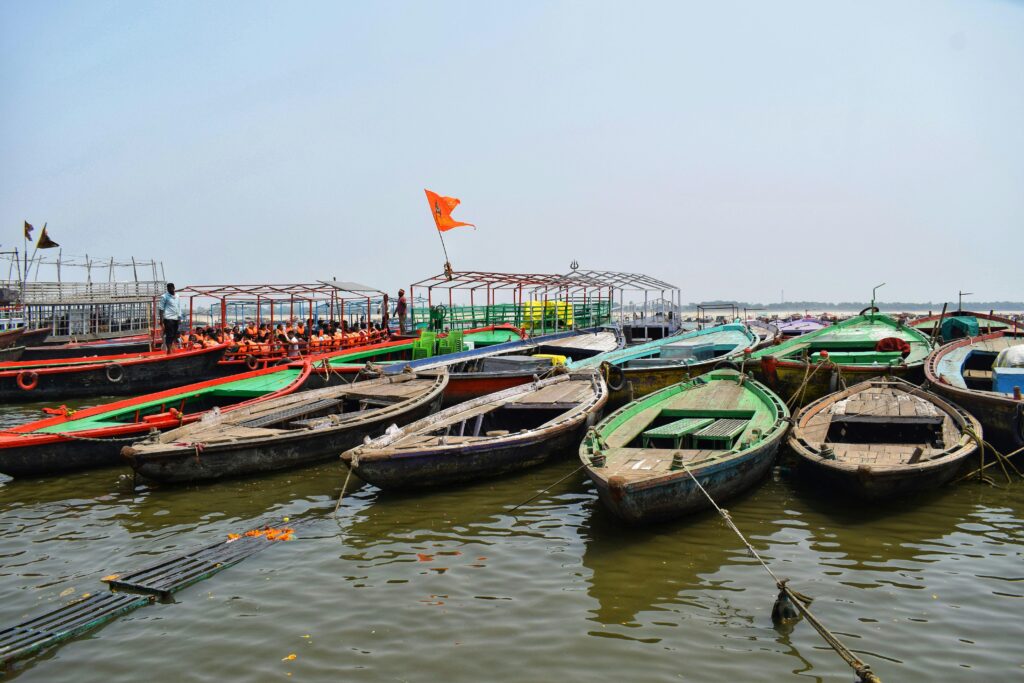
No Kashi experience is complete without a sunrise boat ride. As dawn breaks, the ghats come alive—devotees bathing, priests performing rituals, morning Aartis beginning, and the city waking to another day of timeless routine.
From the water, you see Kashi’s architectural grandeur—temples, palaces, and ghats creating stunning skylines. The peaceful rhythm of oars, the golden light on ancient stone, and the spiritual activities unfolding create meditative, almost dreamlike experiences.
Evening Boat Tours During Aarti
Viewing the evening Ganga Aarti from a boat offers unique perspectives. You avoid ghat-side crowds while enjoying panoramic views. The reflection of flames on water, the illuminated ghats, and the collective energy create magical atmospheres.
Many premium packages include private boats with front-row river views. Some operators serve chai and snacks aboard, combining comfort with spiritual spectacle. It’s expensive but unforgettable.
Participating in River Rituals
The Ganges isn’t just scenery—it’s a living goddess. Devotees perform various rituals: morning ablutions, offering flowers and diyas (oil lamps), immersing ashes of deceased loved ones, or simply sitting in contemplative prayer at the water’s edge.
Tour packages can facilitate participation in these rituals if desired. Priests offer guidance for those wanting to perform specific ceremonies, whether seeking blessings, honoring ancestors, or simply expressing gratitude to the sacred river.
Cultural Experiences in Your Kashi Package
Classical Music Performances
Kashi has nurtured Indian classical music for centuries. Legendary musicians have learned, performed, and taught here. The city’s spiritual atmosphere is said to enhance music’s devotional quality, making performances here particularly powerful.
Premium packages often include tickets to classical concerts—dhrupad singing, sitar recitals, tabla performances, or devotional bhajan sessions. These typically occur in temples, historical venues, or intimate settings, providing authentic cultural immersion impossible to replicate elsewhere.
Banarasi Silk Weaving Workshops
Banarasi silk sarees are legendary—intricate designs, rich colors, and exceptional quality created through painstaking handloom weaving. The craft has been perfected over centuries, passed through generations of weaver families.
Visiting weaving workshops reveals the incredible skill involved. Watching master weavers work complex looms, understanding the time investment (some sarees take months), and purchasing directly from artisans at fair prices creates meaningful connections to Kashi’s living cultural heritage.
Street Food Tours
Kashi’s culinary scene deserves its own pilgrimage! Guided food tours take you beyond tourist restaurants to legendary local spots—the best kachori wallah, the famous lassi shop, the chaat corner that’s been serving for generations.
These tours educate about ingredients, preparation methods, and cultural contexts while filling your belly with unforgettable flavors. They also support small local businesses and preserve culinary traditions threatened by modernization.
Ideal Duration for a Kashi Tour Package
Weekend Getaway (2-3 Days)
Short packages work for time-constrained visitors or those combining Kashi with larger India tours. They cover essentials—Kashi Vishwanath Temple, major ghats, Ganga Aarti, one boat ride, and perhaps Sarnath.
While rushed, these packages hit key highlights. They suit business travelers adding spiritual stops or pilgrims focused specifically on temple darshan and Ganga Aarti without extensive sightseeing. You’ll leave wanting more but satisfied you’ve touched Kashi’s essence.
Comprehensive Tour (4-5 Days)
This duration is ideal for most visitors. It allows comfortable exploration—major temples, multiple ghats, Sarnath, several boat rides, both morning and evening Aartis, some cultural experiences, and free time for personal discovery.
Four to five days provide rhythm without exhaustion. You absorb experiences, rest when needed, and spontaneously explore beyond structured activities. You’ll leave feeling satisfied rather than rushed or overwhelmed.
Extended Spiritual Retreat (7+ Days)
Extended stays suit serious spiritual seekers or those treating Kashi as a retreat destination. Additional days allow deeper immersion—lesser-known temples, multiple locations at different times, participation in elaborate rituals, yoga and meditation programs, and simply absorbing the city’s rhythms.
Longer stays let Kashi’s essence permeate your consciousness. The initial overwhelm settles. You discover favorite spots, develop routines, connect with locals, and experience transformations impossible during quick visits. Many spiritual seekers return repeatedly, each visit revealing new layers.
Best Season to Book Your Kashi Tour Package
Winter Wonderland (October to March)
These months offer ideal conditions—pleasant temperatures (15-25°C), clear skies, comfortable sightseeing, and minimal rain. This is peak season for both tourists and pilgrims. Major festivals like Diwali, Dev Deepawali, and Maha Shivaratri fall during this period.
Book well ahead for winter visits—hotels fill quickly, prices rise, and tour operators get busy. Despite crowds and higher costs, the weather and festival experiences make this period highly worthwhile. Early mornings can be foggy and chilly, adding atmospheric beauty but requiring warm layers.
Monsoon Mystique (July to September)
Monsoon brings dramatic beauty—rising Ganges levels, lush greenery, dramatic skies, and romantic rain-washed scenes. It’s low tourist season, meaning fewer crowds, lower prices, and more intimate experiences.
However, prepare for rain, humidity, and potential disruptions. Flooding can affect ghat access. But for photographers, writers, and those seeking quieter spiritual experiences, monsoon Kashi offers unique rewards. Just pack accordingly and stay flexible.
Special Festival Times
Certain festivals transform Kashi into extraordinary spectacles. Dev Deepawali (15 days after Diwali) sees all ghats illuminated with millions of diyas—absolutely breathtaking. Maha Shivaratri brings massive Shiva temple celebrations. The Ganga Mahotsav showcases classical music and dance.
Festival packages cost more and require very early booking but provide once-in-lifetime experiences. The devotion, celebrations, and collective energy during festivals create profound, unforgettable memories.
Types of Kashi Tour Packages Available
Budget Pilgrimage Packages
These economical options focus on spiritual essentials—temple visits, Ganga Aarti, basic boat rides, and budget accommodations near ghats. They typically use shared transportation, group tours, and include minimal meals (usually breakfast only).
Budget packages suit students, backpackers, and pilgrims prioritizing spiritual experiences over comfort. Despite basic amenities, they deliver authentic Kashi encounters—you’ll visit the same sacred sites and participate in the same rituals as luxury travelers.
Family-Friendly Tours
Family packages accommodate different age groups and needs—child-friendly hotels, flexible schedules, educational guides who engage children, comfortable vehicles, and balanced itineraries mixing spiritual sites with lighter activities.
These packages recognize that families might include elderly grandparents needing slower pacing, teenagers wanting Wi-Fi and comfort, and young children requiring entertainment. Good operators balance everyone’s needs while maintaining the journey’s spiritual core.
Luxury Spiritual Retreats
Luxury packages transform pilgrimage into pampered spiritual journeys—heritage hotels with Ganges views, private guides and vehicles, VIP temple darshans, exclusive Aarti seating, gourmet meals, spa treatments, and comprehensive inclusions.
These packages suit those wanting profound spiritual experiences without sacrificing comfort. They manage all logistics, allowing complete focus on inner transformation. The premium investment delivers stress-free, deeply meaningful journeys.
Photography-Focused Packages
Specialized packages for photographers include optimal timing for golden hour shoots, access to best viewpoints, guidance on respectful photography, sometimes workshops with professional photographers familiar with Kashi, and flexible schedules allowing spontaneous captures.
These packages recognize that Kashi offers extraordinary visual opportunities—ancient architecture, colorful rituals, dramatic light, vibrant street life—while respecting that sacred spaces require ethical, respectful photography approaches.
Wellness and Yoga Packages
These combine Kashi’s spiritual atmosphere with health-focused activities—daily yoga sessions (often on ghats at sunrise), Ayurvedic consultations and treatments, meditation programs, wellness meals, and spiritual teachings.
They attract those seeking holistic transformation—physical health, mental clarity, and spiritual growth. Kashi’s energy enhances these practices, creating synergies between ancient wellness traditions and sacred geography.
What to Expect in Your Daily Itinerary
Morning Rituals and Activities
Most days begin early (around 5:30-6:00 AM) to witness morning rituals. You might take sunrise boat rides, observe devotees bathing and performing prayers, visit temples during morning Aartis, or practice yoga on the ghats as the city awakens.
Mornings offer Kashi at its most authentic—locals going about devotional routines, fewer tourists, beautiful light, and peaceful atmospheres before midday heat and crowds arrive. Comprehensive packages maximize these precious morning hours.
Afternoon Exploration
After breakfast and rest, afternoons typically involve temple visits, exploring old city lanes, visiting Sarnath, shopping for silk or crafts, attending cooking classes, or free time for personal exploration. This is when structured sightseeing happens.
Good itineraries balance activities with downtime. Kashi can overwhelm—sensory intensity, heat, crowds, emotional weight of cremation ghats. Rest periods let you process experiences, recharge, and absorb lessons before the next activity.
Evening Ceremonies and Leisure
Evenings culminate with the Ganga Aarti—the day’s highlight. Some packages include pre-Aarti boat positioning, others reserved ghat seating, still others rooftop viewing. After Aarti, you might explore evening markets, enjoy classical music performances, or simply relax at your hotel.
Evenings offer different energy—cooler temperatures, beautiful light, vibrant street life, and the spectacular Aarti ceremony that encapsulates Kashi’s devotional essence. It’s a perfect day-ending crescendo before dinner and rest.
Accommodation Options in Kashi Tour Packages
Heritage Hotels Overlooking the Ganges
Several beautifully restored havelis and palaces now operate as heritage hotels, offering atmospheric stays with river views. These properties combine historical architecture, modern amenities, and prime locations near major ghats.
Staying in heritage properties enhances the Kashi experience—you’re literally sleeping in history. Many feature rooftop restaurants with Ganga views, perfect for watching Aarti while dining. They’re included in mid-range to luxury packages.
Comfortable Mid-Range Properties
Three-star hotels offering clean, comfortable rooms with air conditioning, attached bathrooms, Wi-Fi, and on-site restaurants dot Kashi. Many are located near ghats (convenient but potentially noisy) or in quieter areas (requiring short commutes).
These properties balance comfort and affordability, suiting most travelers. They provide good sleep quality, reliable amenities, and helpful staff familiar with tourist needs while keeping costs reasonable.
Budget Guesthouses Near the Ghats
Numerous budget guesthouses, hostels, and dharamshalas (pilgrim rest houses) offer basic, clean accommodations at economical rates. Many sit in the old city near ghats, providing immersive location advantages despite minimal amenities.
Budget stays foster authentic experiences and traveler interactions. You might share meals with fellow pilgrims from across India, receive local tips from knowledgeable owners, and experience Kashi more intimately than from insulated luxury hotels.
Transportation in Kashi Tour Packages
Most packages include airport/railway station pickups, all daily transportation for sightseeing, and drop-offs at tour end. Vehicle types vary—budget packages use shared cabs or vans, premium packages provide private air-conditioned cars.
Within the old city, many areas are vehicle-inaccessible. You’ll walk narrow lanes or occasionally use cycle rickshaws. Good shoes are essential! Packages typically provide rickshaw costs for necessary short trips through ghat areas.
For Sarnath visits (10 km away), packages arrange appropriate vehicles. Round-trip transport, guide services, and adequate time for exploration are typically included.
Preparing for Your Kashi Journey
Essential Items to Pack
Pack comfortable, modest clothing covering shoulders and knees (essential for temple visits). Include comfortable walking shoes and slip-ons (frequent shoe removal required). Bring sun protection (hat, sunglasses, sunscreen), layers for temperature variations, and daypack for daily essentials.
Carry basic medications, hand sanitizer, wet wipes, reusable water bottle, flashlight, and power bank. If planning ritual baths, quick-dry clothes are practical. Keep valuables minimal—leave expensive jewelry home.
Spiritual and Cultural Etiquette
Respect Kashi’s sacred nature. Dress modestly, speak softly in temples, remove shoes when required, don’t point feet toward deities, and avoid public affection. Always ask permission before photographing people, ceremonies, or inside temples.
Approach spiritual practices respectfully—whether fully participating, curiously observing, or politely declining. Even non-believers benefit from honoring the profound meaning these practices hold for millions. Your openness and respect will be reciprocated.
Health Precautions
Drink only bottled or filtered water—your package likely provides this. Be cautious with street food initially until your stomach adjusts. Choose busy vendors with visible hygiene. Carry basic first aid and any prescription medications.
Guard against pickpockets in crowded areas. Use hotel safes for valuables. Stay aware of surroundings, especially in narrow lanes. Trust instincts—if situations feel uncomfortable, remove yourself.
Photography in Kashi: Capturing Sacred Moments
Kashi offers extraordinary photography—ancient architecture, colorful rituals, dramatic light, vibrant markets, and candid human moments. Golden hours (sunrise/sunset) provide best light. The interplay of water, stone, fire, and humanity creates constantly changing compositions.
However, balance photography with presence. Don’t experience everything through lenses. Put cameras down sometimes and simply absorb atmospheres—these often create the most lasting memories.
Respect photography ethics: always ask permission for portraits, never photograph cremations closely, honor “no photography” signs at temples, and consider whether your work honors or exploits subjects. Your images should reflect respect for Kashi’s sacred nature.
Conclusion
A Kashi tour package isn’t just a vacation—it’s a journey into humanity’s spiritual heart. This ancient city, with its timeless rituals, sacred geography, and palpable devotion, offers transformative experiences impossible to find elsewhere. Whether you seek divine blessings, cultural understanding, personal transformation, or simply unforgettable travel experiences, Kashi delivers abundantly.
The right tour package transforms potentially overwhelming chaos into manageable, meaningful experiences. It provides structure while allowing spontaneity, offers guidance while respecting your independence, and facilitates deep engagement with this profound place. So choose your package wisely, pack your bags, open your heart, and prepare to encounter one of Earth’s most intense spiritual destinations. Kashi has been changing lives for thousands of years—perhaps yours will be next. After all, those who truly experience Kashi never leave unchanged. The city of light has a way of illuminating not just the Ganges’ waters, but the depths of the human soul itself.
FAQ
1. What is included in a typical Kashi tour package?
Typical packages include accommodation (ranging from budget to luxury based on package type), transportation (airport/station transfers and daily sightseeing), guided tours with knowledgeable local guides, entrance fees to major attractions, boat rides on the Ganges, and some meals (usually breakfast, sometimes additional meals). Premium packages add VIP temple darshans, private vehicles, more comprehensive meal plans, cultural performances, and special experiences like silk weaving workshops or classical music concerts.
2. How many days should I spend in Kashi?
The ideal duration is 4-5 days for comprehensive exploration without rushing. This allows major temple visits, multiple ghat experiences, Sarnath excursion, several boat rides, cultural activities, and free time for personal discovery. Weekend packages (2-3 days) cover essentials but feel rushed. Extended stays (7+ days) suit spiritual seekers wanting deeper immersion. Your available time, spiritual goals, and desired pace should guide your decision.
3. Is Kashi safe for solo travelers and women?
Yes, Kashi is generally safe for solo travelers, including women, with standard precautions. The city’s sacred nature creates generally respectful atmospheres. Dress modestly, avoid isolated areas after dark, stay in reputable accommodations, use registered guides and drivers, and trust your instincts. Tour packages add safety layers through structured activities and knowledgeable guides. Many solo travelers, including women, visit successfully and have profound experiences.
4. What is the best time of year to visit Kashi?
October to March offers the best weather—pleasant temperatures (15-25°C), clear skies, and comfortable conditions for outdoor activities. This is peak season with higher prices and more crowds but includes major festivals like Diwali and Dev Deepawali. Monsoon (July-September) brings dramatic beauty, fewer tourists, and lower prices but also rain and humidity. Avoid summer (April-June) due to extreme heat making exploration challenging.
5. Can non-Hindus participate in rituals and visit temples in Kashi?
Yes, most temples welcome visitors of all faiths, though some have specific restrictions. Kashi Vishwanath Temple allows non-Hindus but requires security clearance. Regardless of your religious beliefs, approach all sacred sites with respect—dress modestly, follow temple protocols, remove shoes when required, and maintain quiet, reverent behavior. Many rituals welcome respectful participation or observation. Good tour guides explain appropriate levels of engagement based on your comfort and the specific ritual’s nature.